WESTERN AMERICAN DIOCESE: 27 March, 2026
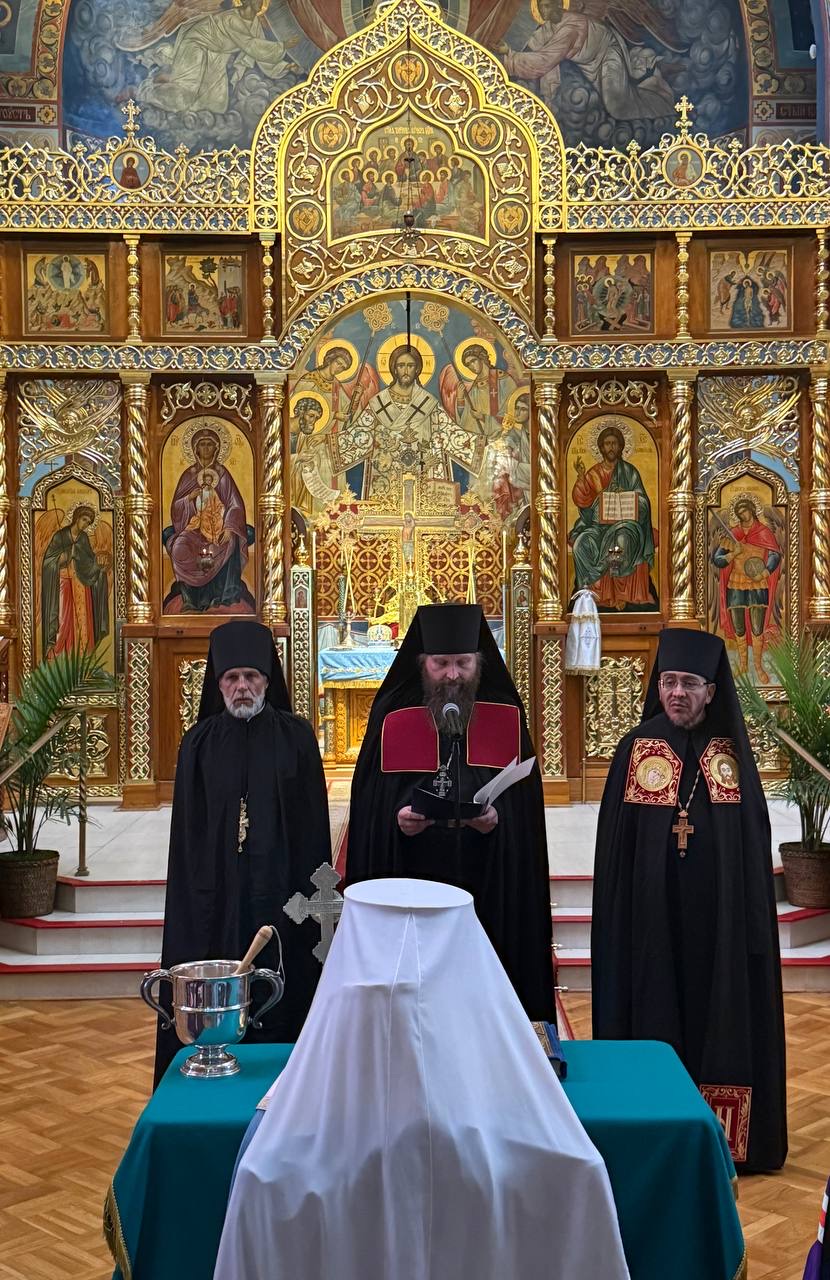
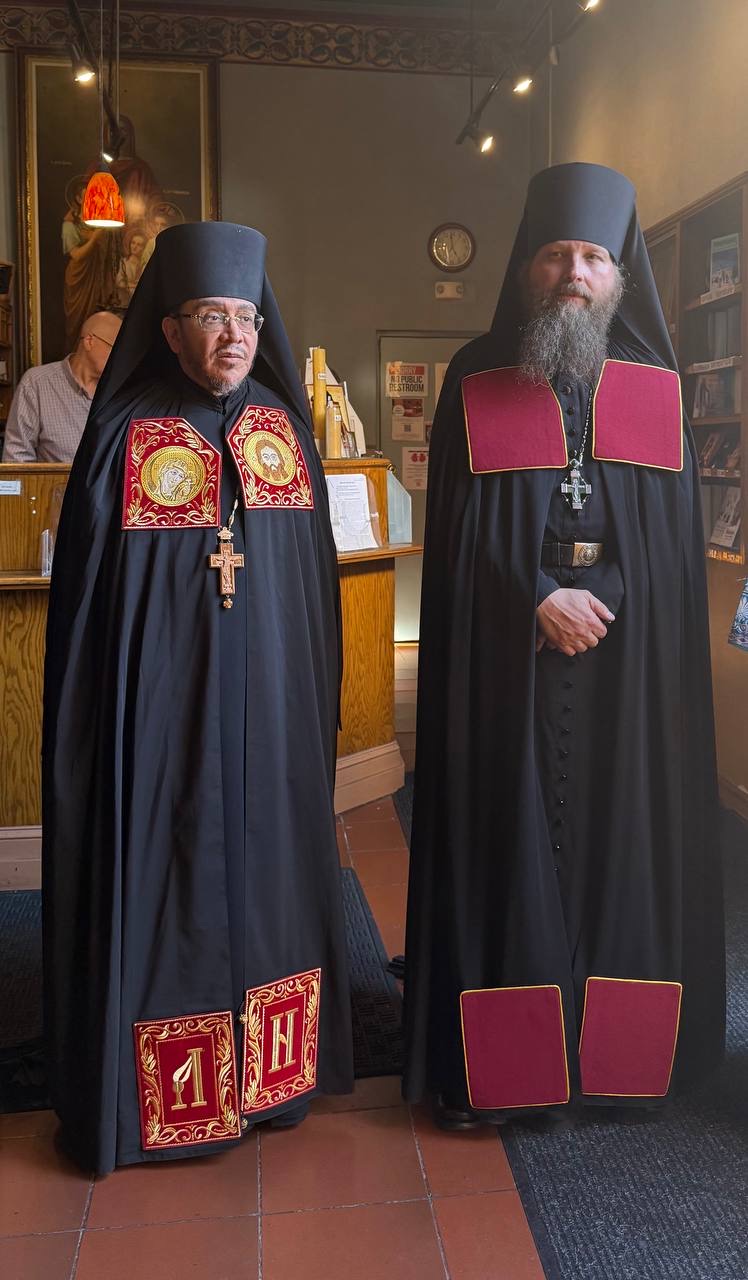
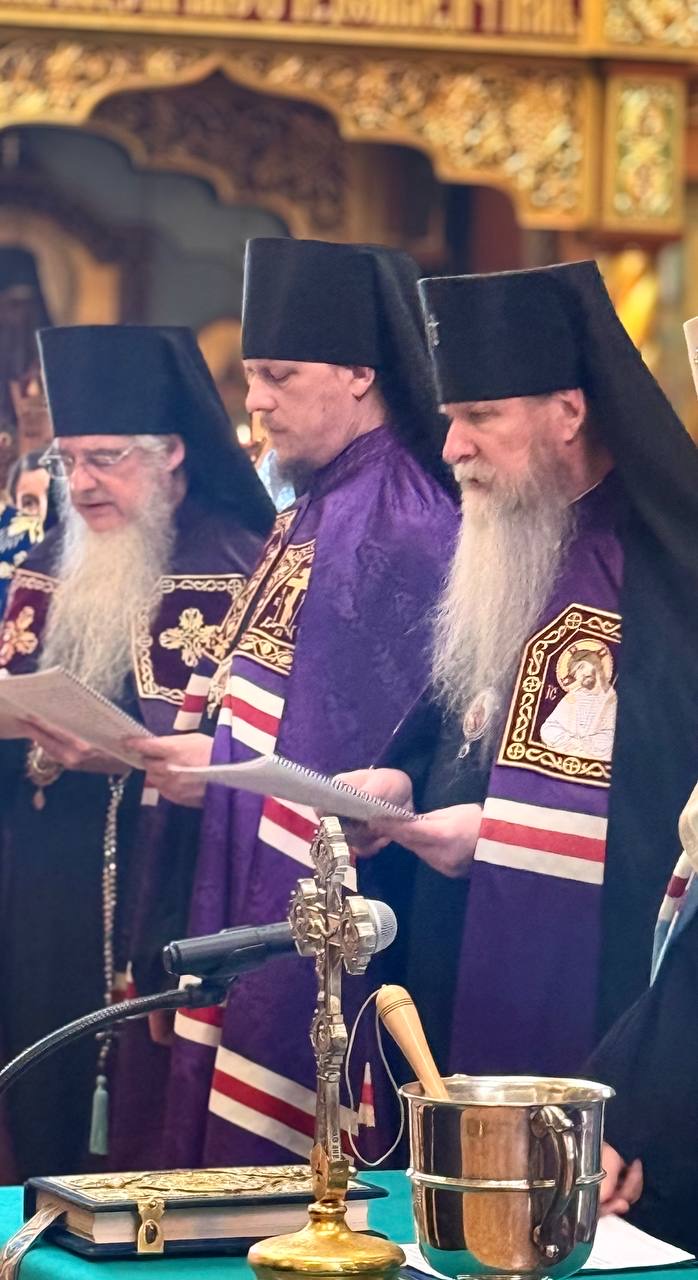
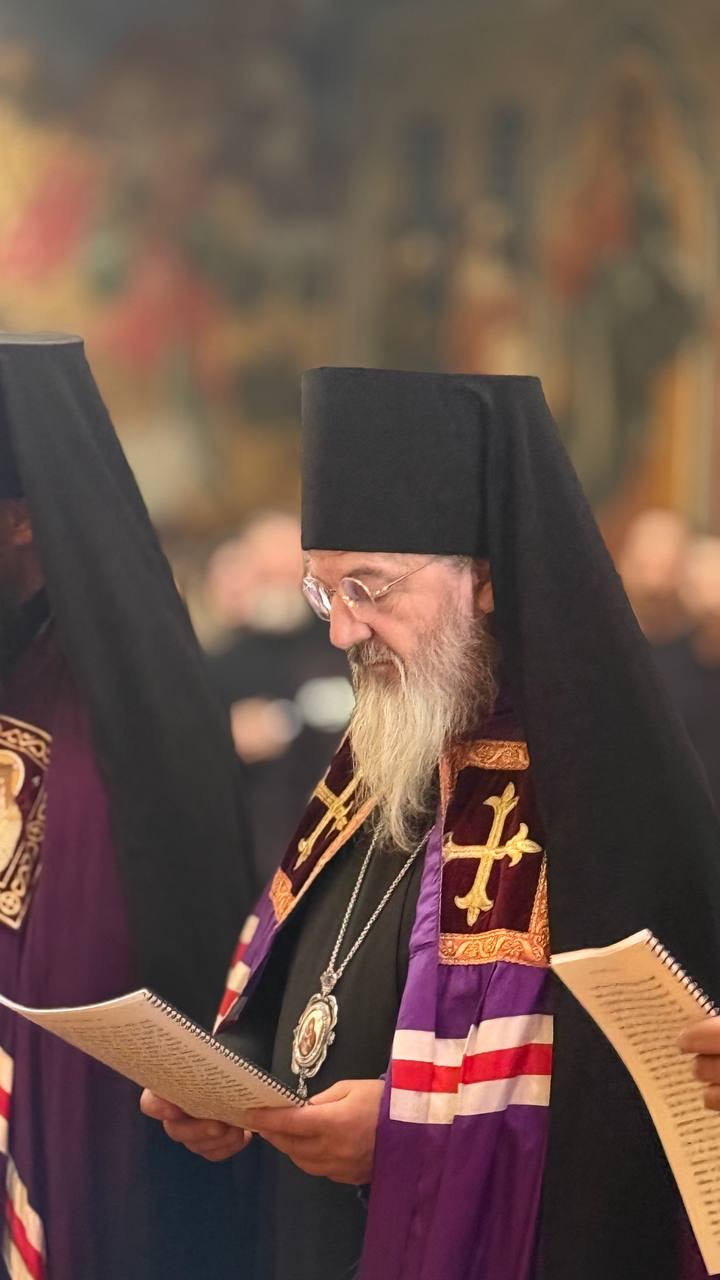
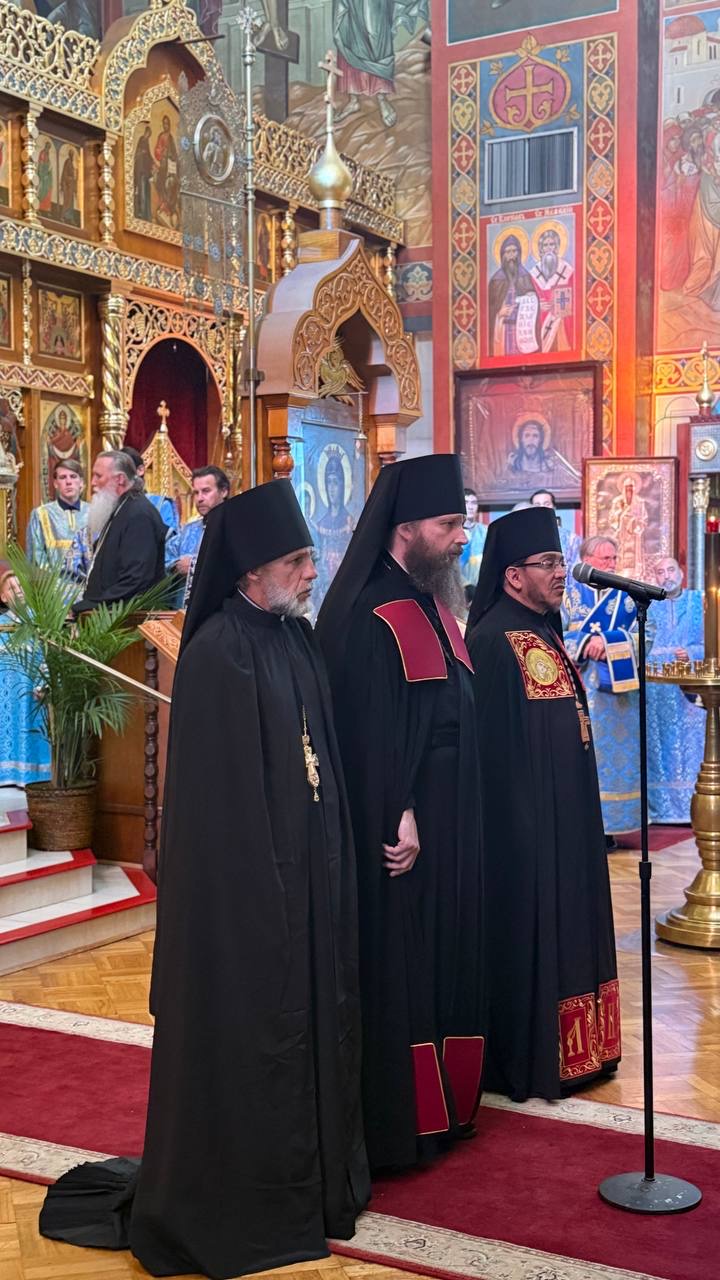
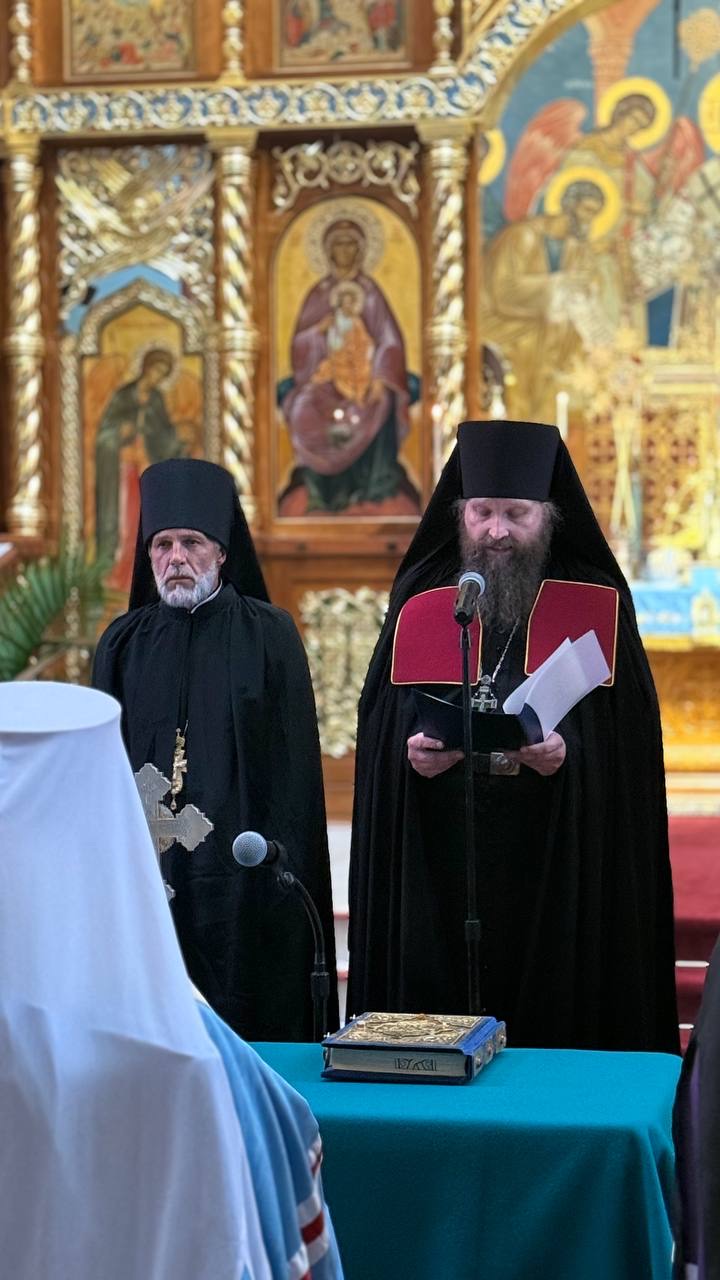
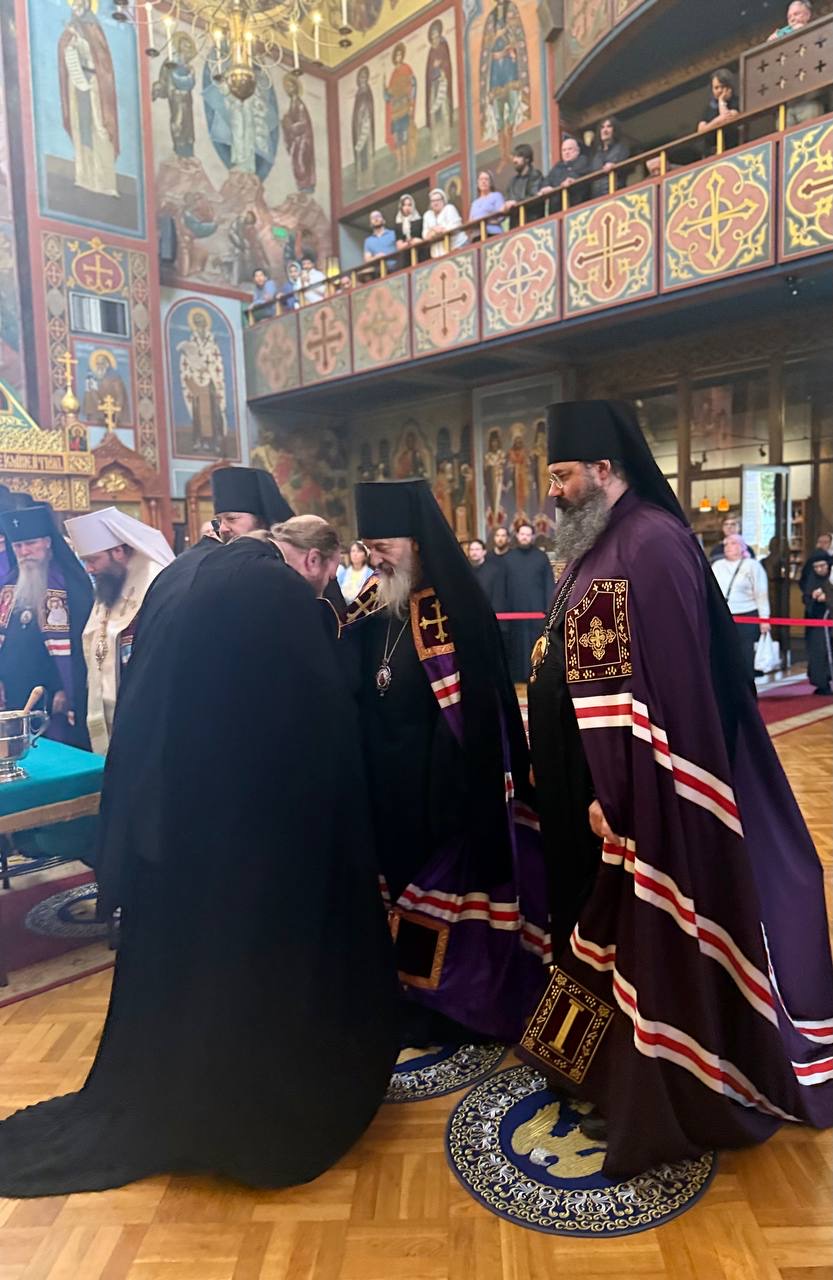
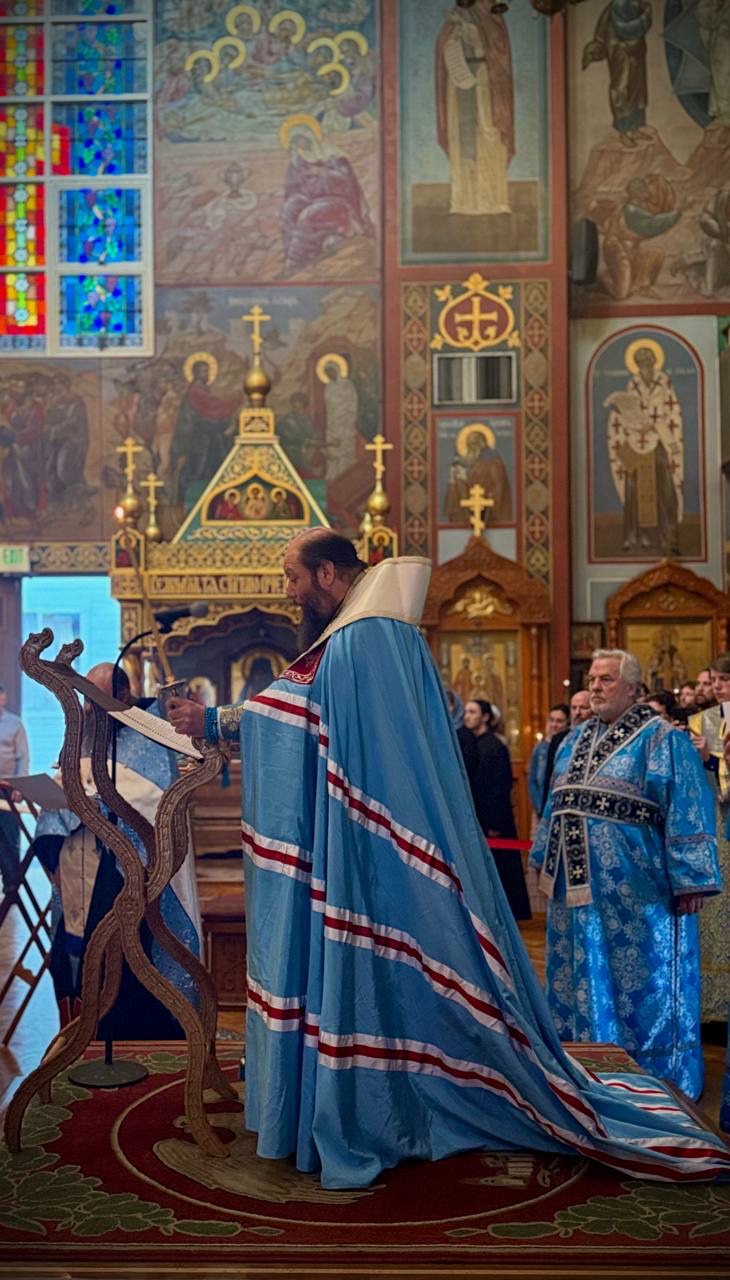
The Primate of the Russian Church Abroad declares the nomination of Archimandrite Peter (Karakozoff) as Bishop of Seattle, Vicar of the Western American Diocese
ADDRESS
at the Rite of Nomination to the Episcopate
Vicar of the Western American Diocese
Archimandrite Peter (Karakozoff)
Your Eminence, Most Eminent Metropolitan NICHOLAS,
Your Eminence, Most Eminent Archbishop KYRILL,
Your Graces!
Dear Reverend Fathers, Brothers and Sisters!
 Three times the Lord questions Simon Peter on the shore of the Sea of Tiberias: "Simon, son of Jonah, lovest thou Me?" — and three times, as the question is repeated, something painful and yet saving is laid bare in the soul of the apostle: not his own resolve, not his oaths, but the weakness of his love, exposed before the All-knowing One. "Lord, Thou knowest all things; Thou knowest that I love Thee" (John 21:17) — such is the only honest answer: not "I am ready," not "I am worthy," but "Thou knowest." And following this confession — not praise, but a command: "Feed My sheep." And then come the words that disclose the mystery of every pastoral vocation: "When thou shalt be old, thou shalt stretch forth thy hands, and another shall gird thee, and carry thee whither thou wouldest not" (John 21:18). Pastorship begins where one's own will ends. Three times the Lord questions Simon Peter on the shore of the Sea of Tiberias: "Simon, son of Jonah, lovest thou Me?" — and three times, as the question is repeated, something painful and yet saving is laid bare in the soul of the apostle: not his own resolve, not his oaths, but the weakness of his love, exposed before the All-knowing One. "Lord, Thou knowest all things; Thou knowest that I love Thee" (John 21:17) — such is the only honest answer: not "I am ready," not "I am worthy," but "Thou knowest." And following this confession — not praise, but a command: "Feed My sheep." And then come the words that disclose the mystery of every pastoral vocation: "When thou shalt be old, thou shalt stretch forth thy hands, and another shall gird thee, and carry thee whither thou wouldest not" (John 21:18). Pastorship begins where one's own will ends.
With just such a trembling sense of awe do I stand before you today, Your Graces. I humbly express my gratitude to our First Hierarch, His Eminence Metropolitan NICHOLAS, and to the Council of Bishops of the Russian Orthodox Church Outside Russia for the trust they have placed in me, and to His Holiness Patriarch KIRILL and the Holy Synod of the Russian Orthodox Church in the Homeland for the confirmation of this new obedience — they who have deemed me, unworthy as I am, worthy of election to the episcopate. My will must fall silent before the will of the Church, for the will of the Church is the will of Christ.
It is precisely this silencing of the will that St. Ignatius (Brianchaninov) reveals as the only sure foundation: "Know thy weakness and nothingness: this knowledge will be for thee the foundation upon which thou canst build a spiritual edifice."¹ Not upon my strengths, not upon my knowledge, not upon my experience — but upon the fact that I am nothing, and that God is all.
St. Dionysius the Areopagite reveals to us that the sacred hierarchy is not power, but transparency. He writes: "The principle of our hierarchy is the God-illuminating radiance of the Lord Jesus"² — the Light descends from above and passes through the bishop to his flock. But it passes only through one who does not obstruct it with his own "self". Herein lies the meaning of the Lord's words to Peter: "another shall gird thee" — you are no longer master of yourself, you are a vessel, and your dignity lies in your emptiness before God.
St. Gregory the Dialogist teaches in his Pastoral Rule that a pastor who has not mortified his own will within himself will inevitably shepherd his flock according to his own desire rather than God's. "He who knows not how to govern himself — how shall he dare take upon himself the care of the souls of others?"³ These words humble me and console me — and this humility I receive as the first gift needed at the outset of ministry: for he who knows his own weakness no longer leads of himself — he is led and comforted by the Lord God Himself — as He led the Apostle Peter: the Saviour's words "shall carry thee whither thou wouldest not" were fulfilled upon the cross — and the cross became not the end, but the very form of pastorship itself.
The episcopate is precisely such a cross, whose weight does not diminish but increases as responsibility increases: for "unto whomsoever much is given, of him shall be much required" (Luke 12:48). I know that I shall be judged more strictly than any layman, more strictly than a presbyter — for "greater damnation" (Mark 12:40) shall be received by those to whom Christ's sheep are entrusted. This does not frighten me — it humbles me. For he who humbles himself before the weight of the sacred office no longer relies upon himself — and it is precisely this self-emptying that opens a place for grace. The image of a bishop that the Apostle Paul sets forth — "blameless, vigilant, sober, given to hospitality, apt to teach" (1 Tim. 3:2) — is not my portrait, but an icon upon which I am called to ponder: diminishing myself, that Christ may increase in me. Such arch-pastors — those who diminished themselves for the sake of Christ's increase within them — were shown to us as well by those whom I now succeed.
As I ascend to the See of Seattle, I am mindful that I am entering into the labors of those whom I never knew personally, yet to whom the Lord likewise said: "Feed My sheep" — and who answered that call with their entire lives. With this awareness I commemorate the ever-memorable pillars of the See of Seattle: Archbishop Tikhon (Troitsky) and Bishop Nektary (Kontsevich). Archbishop Tikhon, who headed the Western American Diocese for more than thirty years, was the first Bishop of Seattle in the 1930s, when the see was located not in San Francisco but in Seattle. Under his wise guidance the Church Abroad put down firm roots here on the West Coast. The cathedral which he began to build, the holy Hierarch John brought to completion — and in this division of labors I behold a living icon of the Lord's words: he labored, and we have entered into his labor.
Bishop Nektary, who served as a co-struggler to both St. John and Archbishop Anthony (Medvedev), gave us a living answer to the Lord's question "Lovest thou Me?" — not in words, but in his entire life. In his heart dwelt the Optina Elders, and the very spirit of Optina — the spirit of boundless love for the souls entrusted to him — he transmitted by word and deed to all who surrounded him. For Optina is above all a school of pastoral love, answering Christ's "Feed My sheep" not with feats of strength, but with humility of heart. I pray the Lord to grant these pillars — true arch-pastors not only of the Western American Diocese but of the entire Russian Church Abroad — memory eternal; and may their memory endure from generation to generation.
Thus the Lord led me also — through losses, through another's will, through the hands of others — long before I had learned to call this the Providence of God. My father Alexander reposed in the Lord when I was still a youth — and it was then that I first touched the mystery expressed in the words: "though our outward man perish, yet the inward man is renewed day by day" (2 Cor. 4:16). My mother Irina bore with great self-sacrifice the labor of raising her son, preserving in the home a spirit of Orthodox piety. Her faith, patience, and love became for me the first experience of living Orthodoxy.
My first spiritual father was the ever-memorable Archimandrite Dimitry (Egoroff) — a confessor who had passed through the Gulag system in the Soviet Union, a man of discernment and of meekness. Even in my childhood he predicted that monastic life and the priesthood were my appointed path — and I see in this now not his wisdom, but the "foreknowledge of God" (1 Pet. 1:2). From him I learned that only by living in peace and calm with all people can a man save his soul — a lesson he taught not in words, but by his entire life.
When my father died, the Lord did not leave me an orphan: He gave me a father in the spirit — Archpriest Anatoly Fedoriuk. In those days of grief over my father, Fr. Anatoly said to me: "When I was your age, I lost my father in the war. The Church became a father to me in place of the one who had fallen asleep — and I will see to it that you have the same opportunity." He kept his word: his guidance and personal example strengthened in me the first foundations of church-mindedness, taught me to treasure the traditions of the Church — and kindled in the heart of a young man that flame of desire to serve Her which has not been extinguished in me to this day. I commemorate him in prayer with gratitude and love.
His Eminence Archbishop Kyrill guided me in the most important decisions of my life — and in each of them I learned to hear not only his wisdom, but the voice of Providence speaking through him. He also entrusted to me the diaconal and presbyteral ordinations, through which "I live, yet not I, but Christ liveth in me" (Gal. 2:20) — passed from a word into a living reality. Now I stand on the threshold of consecration — the third laying-on of hands — and I recall the words of our ever-memorable the first First-Hierarch, Metropolitan Anthony (Khrapovitsky), who at a similar hour said: "For the third time you will lay your hands upon me; may the remembrance of the earlier ordinations... grant me a twofold compunction and hope in the threefold reception of this great mystery."?
My monastic foundation I received under the arches of the Monastery of St. Job of Pochaev in Munich, where His Eminence Metropolitan Mark and the brotherhood showed me by living example what St. Dionysius writes: that the monastic life is a " life for the love of wisdom," in which the soul, being cleansed of self-love, becomes transparent to the Divine Light. There, in the rhythm of the daily divine services, I learned that my will is not a measure for anything. I am sincerely grateful to His Eminence Metropolitan Mark and to all the brotherhood for their patience, love, conversations, and for that monastic school which no other learning can replace.
I wish especially to note the fatherly kindness of His Grace Bishop Theodosy. My monastic tonsure — the final dying to oneself — I received from his hands, and from that day another's will became my will. But Bishop Theodosy not only performed this tonsure over me — throughout many years he surrounded me with attention and care, bearing witness in deed that in the Church of Christ there are no orphans. God's Providence so arranged that, living in the world, I found spiritual support also in the monastic brotherhood in honor of St. Ignatius Brianchaninov, of which I am a member. This brotherhood reminded me — amid the labors and cares of priestly ministry in the world — that a monk remains a monk not by the place of his dwelling, but by his obedience.
A model of pastorship free from self-love was for me His Grace Bishop James — in whom I beheld a living embodiment of St. Gregory's teaching: a pastor who "encompasses all with compassion and crushes none with severity."? His ministry taught me: the true bishop is one whom "another girdeth," who goes not where he wills, but where the Lord calls.
Such is the path by which the Lord has brought me here — not by my own designs, but by His will, acting spiritually through each of these people and many others. By their hands "another was girding" me — long before this present day. And now, as I stand before you, Your Graces, I hear that same question addressed to me: "Lovest thou Me?" I answer in the only way possible: "Lord, Thou knowest all things" — Thou knowest my weakness, and Thou knowest my love, and may Thy will be done, and not mine. As our ever-memorable Metropolitan Anthony (Khrapovitsky) said in his address at nomination in 1897: "Not in bold designs, not in ardent imagination is strength revealed... but in the very renunciation of one's natural strength does the strength of God find its place."? I promise to keep the Orthodox faith in all its purity, to be obedient to the Holy Synod of the Russian Orthodox Church Outside Russia — and to shepherd His sheep in the vicariatw of Seattle not according to my own desire, but according to the will of Him who has sent me.
I also humbly ask you, arch-pastors gathered by God: if you see that I am straying from the right path and seeking my own will and not Christ's — reprove me, correct me, do not permit the souls entrusted to my weakness to suffer from my negligence. For the Lord has set us as "watchmen over the house of Israel" (Ezek. 3:17) — and our answer shall be a common one. I pray you also not to deprive me of your hierarchal prayers: strengthened by them alone shall I be able worthily to continue the service to God and His Holy Church to which I am now called.
To God the Father, and the Son, and the Holy Spirit — glory, honor, and worship, now and ever and unto the ages of ages. Amen.
Archimandrite Peter (Karakozoff)
nominated Bishop of Seattle
Second Vicar of the Western American Diocese
Russian Orthodox Church Outside Russia

|